
How to Manage Your Contractor and Multiple Trades
Step-by-step communication systems for managing contractors, multiple trades, change requests and snagging. Keep your London renovation on time and budget.
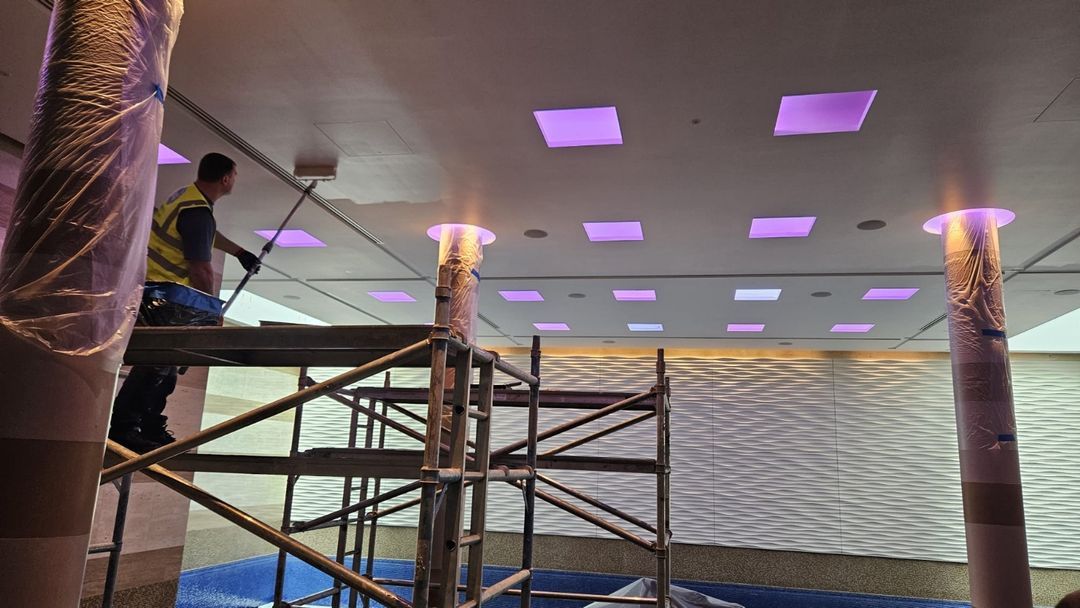
Most London renovation projects don’t fail because of bad brickwork. They fail because nobody told the plasterer the electrician hadn’t finished first fix. Or because a change was agreed verbally on-site and then forgotten. Or because the homeowner had no idea the project was two weeks behind until the kitchen fitter turned up with nowhere to work.
Communication — or the absence of it — is the single biggest source of cost overruns, delays and stress in residential construction. And yet it’s the thing most contractors treat as an afterthought.
This checklist is for London homeowners, landlords and property owners who want practical systems — not vague advice — to keep their project running smoothly, their contractor accountable, and their sanity intact.
Before Work Starts: The Foundations of Clear Communication
The groundwork for a well-run project is laid before a single tool arrives on site. Skipping this stage is where most problems are seeded.
1. Get Everything in Writing — All of It
A verbal agreement on a building site is worth nothing. Before work begins, make sure you have:
- A signed contract that includes scope of works, start date, projected completion date, payment schedule and what happens if either party needs to make changes.
- A detailed specification document (often called a spec or schedule of works) listing materials, finishes, brands and quantities. Vague specs like “kitchen units — TBC” are an open door to disputes later.
- A clear payment structure tied to project milestones, not arbitrary dates. Avoid paying large sums upfront.
If a contractor is reluctant to put any of this in writing, that tells you something important.
2. Agree on a Communication Protocol
At your pre-start meeting, establish the basics:
- Who is your single point of contact? On a well-run project, this is your project manager or lead contractor — not whichever trade happens to pick up the phone.
- How will updates be shared? Weekly written summaries, a WhatsApp group, a shared project app — agree the format and stick to it.
- What’s the response time expectation? If you raise a concern, when should you expect a reply? 24 hours is a reasonable standard.
- Who authorises changes? Only one person on your side should have authority to approve variations. Mixed messages from multiple stakeholders cause chaos.
3. Walk the Site Together Before Day One
Before work begins, do a physical walkthrough with your contractor and document the existing condition of your property — especially anything adjacent to the works. Photograph walls, floors, joinery and any existing damage. This protects both parties and removes ambiguity at snagging.
The Site Update System: How to Stay Informed Without Micromanaging
One of the most common complaints from homeowners is feeling completely in the dark about what’s happening on their own property. The solution isn’t to hover on site all day — it’s to build a rhythm of structured updates.
Weekly Progress Reports
Ask your contractor for a brief weekly written update covering:
- What was completed this week
- What is planned for next week
- Any blockers, delays or decisions needed from you
- Current status against the programme
This doesn’t need to be elaborate. A few bullet points in an email or WhatsApp message is sufficient — as long as it happens consistently, every week, without you having to chase.
A Live Programme (Schedule) You Can See
A good contractor will have a project programme — a timeline showing which trades are on site when, and what needs to happen before the next phase can begin. Ask to see it. Ask for it to be updated if things shift.
You don’t need to understand every line of a Gantt chart. What you need to know is: are we on track, and if not, why not?
Photographs as Standard
For any work that gets covered up — structural elements, underfloor heating, pipework, electrical first fix — photographs should be taken before it’s concealed. This is good practice for building regulations sign-off and invaluable if any issue emerges later. A reputable contractor does this automatically. If yours doesn’t, ask.
Managing Multiple Trades: Who Coordinates Whom?
A typical London home extension or loft conversion involves a sequence of trades: groundworkers, structural engineers, bricklayers, roofers, carpenters, electricians, plumbers, plasterers, tilers, decorators — and often more. Each trade depends on the previous one finishing their stage correctly and on time.
This is where projects unravel most dramatically.
The Single Point of Coordination Problem
If you’re managing trades yourself — booking them independently, chasing them individually, trying to sequence them correctly — you have taken on a professional job without the professional knowledge to do it. Trade sequencing is a skilled discipline. Get it wrong and you pay plasterers to stand around while the electrician finishes first fix, or you have floor tiles laid before the underfloor heating is pressure-tested.
A main contractor or project manager coordinates all trades. That is their job. If your builder is not doing this — if they’re expecting you to chase the plumber — you need to have a direct conversation about what you’re actually paying for.
The Dependency Map
For your own awareness, ask your contractor to walk you through the trade sequence and the critical dependencies:
- What has to be complete before X trade can start?
- What are the longest lead times? (Bespoke joinery, structural steel and some specialist materials can take weeks to procure — these need to be ordered early.)
- Where are the pinch points where a delay by one trade cascades into delays for everything that follows?
You don’t need to manage this yourself. But understanding it means you can ask the right questions and recognise a warning sign when you see one.
Lead Times Are Everyone’s Responsibility
One of the most avoidable causes of delay is materials arriving late because nobody ordered them in time. Kitchens, windows, structural steel, tiles and bespoke items all have lead times that must be factored into the programme. Agree with your contractor who is responsible for placing each order and when. Put it in writing.
Handling Change Requests Without Scope Creep
Scope creep — the gradual expansion of a project beyond its original brief — is one of the most reliable ways to blow a budget and a timeline. It happens incrementally, often innocuously: a small extra here, a change of mind there. By the end of the project, the costs have ballooned and nobody can quite explain why.
The Change Order Process
Every change to the agreed scope — however small — should follow the same process:
- You request the change in writing (or it is identified as necessary on site).
- The contractor provides a written variation quote before any additional work begins.
- You approve or decline in writing.
- The variation is added to the contract and the project cost is updated.
This sounds bureaucratic. It isn’t. It takes five minutes and it prevents disputes that take weeks to resolve.
“While You’re Here” Is a Budget Leak
The most expensive words in a renovation are “while you’re here, could you also…” This isn’t to say you can never add work — of course you can. But every addition must go through the variation process above. No exceptions.
Distinguishing Extras from Errors
Not everything that costs more than expected is a legitimate extra. If additional work is required because something was missed in the original survey, because workmanship needs to be redone, or because the specification was ambiguous — that is a conversation about who bears the cost, not an automatic charge to you. Having a clear, written specification from the outset is your protection here.
When Things Go Wrong: Accountability Without Confrontation
Problems will arise on most renovation projects. A pipe leaks during testing. A structural beam is slightly out of position. A subcontractor damages an adjacent wall. How these moments are handled tells you everything about the contractor you’re working with.
Raise Issues Immediately and in Writing
When you spot something wrong, raise it the same day — in writing, with a photograph. Don’t let concerns accumulate and then present a list of grievances weeks later. This makes resolution harder for everyone.
A simple message works fine: “Hi [Name], noticed today that [specific issue]. Can you confirm how this will be rectified and by when? Happy to discuss.”
Keep a Site Log
A simple running document — even a notes app on your phone — where you record dates, conversations, decisions and any concerns creates a clear record if a dispute escalates. Note the date, what was said, and who was present. This isn’t paranoia; it’s prudent.
Understand the Difference Between a Defect and a Dispute
Most on-site problems are defects — mistakes that a professional contractor will correct without argument. A good contractor wants to fix their errors; it’s a matter of professional pride and reputation. If a contractor becomes defensive or dismissive when genuine defects are raised, that is a significant red flag about their standards and your working relationship going forward.
The Snagging Stage: Don’t Drop the Ball at the Finish Line
Snagging is the process of identifying and rectifying defects and incomplete items before final handover. It is one of the most commonly mishandled stages of a renovation project — not because contractors are necessarily trying to avoid it, but because everyone is tired, there’s pressure to wrap up, and details get missed.
Do a Formal Snagging Inspection
Before you make your final payment, conduct a thorough walkthrough with your contractor. Go room by room. Check:
- Painted surfaces: Scuffs, patches, uneven coverage, paint on fittings
- Joinery and finishes: Doors that don’t hang correctly, gaps in skirting, unfinished edges
- Tiling and flooring: Alignment, grout consistency, lippage, damage
- Plumbing and electrics: That everything works — every socket, switch, tap, drain
- External works: Drainage, pointing, render, any disturbed paving or landscaping
- Structural and specialist works: That sign-off certificates are in hand
Put your snagging list in writing. Set a deadline for completion. Only release the final payment once snagging items are resolved — or agree a retention amount to be released on completion.
Certificates and Documentation
At handover, you should receive:
- Building regulations completion certificate (where applicable)
- Electrical installation certificate (Part P)
- Gas Safe certificate (if gas work was done)
- Structural engineer’s sign-off (where applicable)
- Any guarantees or warranties for materials, products or workmanship
These documents are not optional extras. They are essential for insurance purposes and for any future sale of the property.
What Good Looks Like: Green Flags to Look for in a London Builder
Much of the advice above assumes you’re already mid-project and trying to manage a difficult situation. But the most effective communication strategy is to choose a contractor who doesn’t require you to police them in the first place.
Here are the green flags that indicate a professional, well-run operation:
- They ask as many questions as you do in early meetings — about your brief, your timeline, your priorities.
- They give you a detailed written quote, not a one-line figure.
- They have a clear process for variations, communications and handover — and they can describe it without prompting.
- They manage their own subcontractors and introduce them to you, rather than leaving coordination to you.
- They raise problems early rather than hiding them and hoping they’ll resolve themselves.
- Their references are specific and verifiable — not just glowing testimonials, but homeowners who will take your call.
- They’re not the cheapest quote — and they can explain why.
A builder who communicates well before you’ve hired them will communicate well during your project. Trust what you see in the sales process.
A Final Word on Trust
The goal of all of this isn’t to turn you into a project manager. It’s to give you enough structure and clarity that you can trust the process — and, by extension, trust the people you’ve hired.
When communication is clear, roles are defined, and there’s a system for handling changes and problems, renovation projects stop feeling chaotic. Decisions get made faster. Disputes resolve more easily. And the end result — the finished home, the completed extension, the converted loft — reflects the care that went into managing it.
The checklist is the scaffold. The right contractor is the build.
MB Build & Design provides end-to-end renovation and construction services across London, including home extensions, loft conversions, full-house renovations and commercial fit-outs. We manage every project from initial consultation through to snagging and handover — including full coordination of all trades. If you’re planning a project and want to understand exactly how we work, we’d be glad to talk it through.
Looking for more practical detail?
- Coordinating several trades and unsure what should happen when? Read Managing Multiple Trades: Renovation Timeline Guide.
- Concerned about recognising poor workmanship before handover? Read How to Spot Poor Workmanship Before Your Renovation Handover.
- Preparing for practical completion and the final invoice? Read Snagging & Handover: Your Final Check Before Payment.